The Great Creative Consolidation: 5 Ways Integrated AI is Shattering the Generative Sprawl
1. Introduction: From Fragmented Workflows to Creative Autonomy
The initial wonder of AI image generation has reached a point of diminishing returns. After a year of navigating "generative sprawl"—a chaotic landscape of single-use tools and disjointed prompts—creators are hitting a wall of frustration. We’ve moved past the novelty of "cool toys" that produce beautiful but practically useless pixels. Today’s digital entrepreneurs are demanding more than just a prompt box; they need comprehensive creative ecosystems that bridge the gap between a raw idea and a finished product.
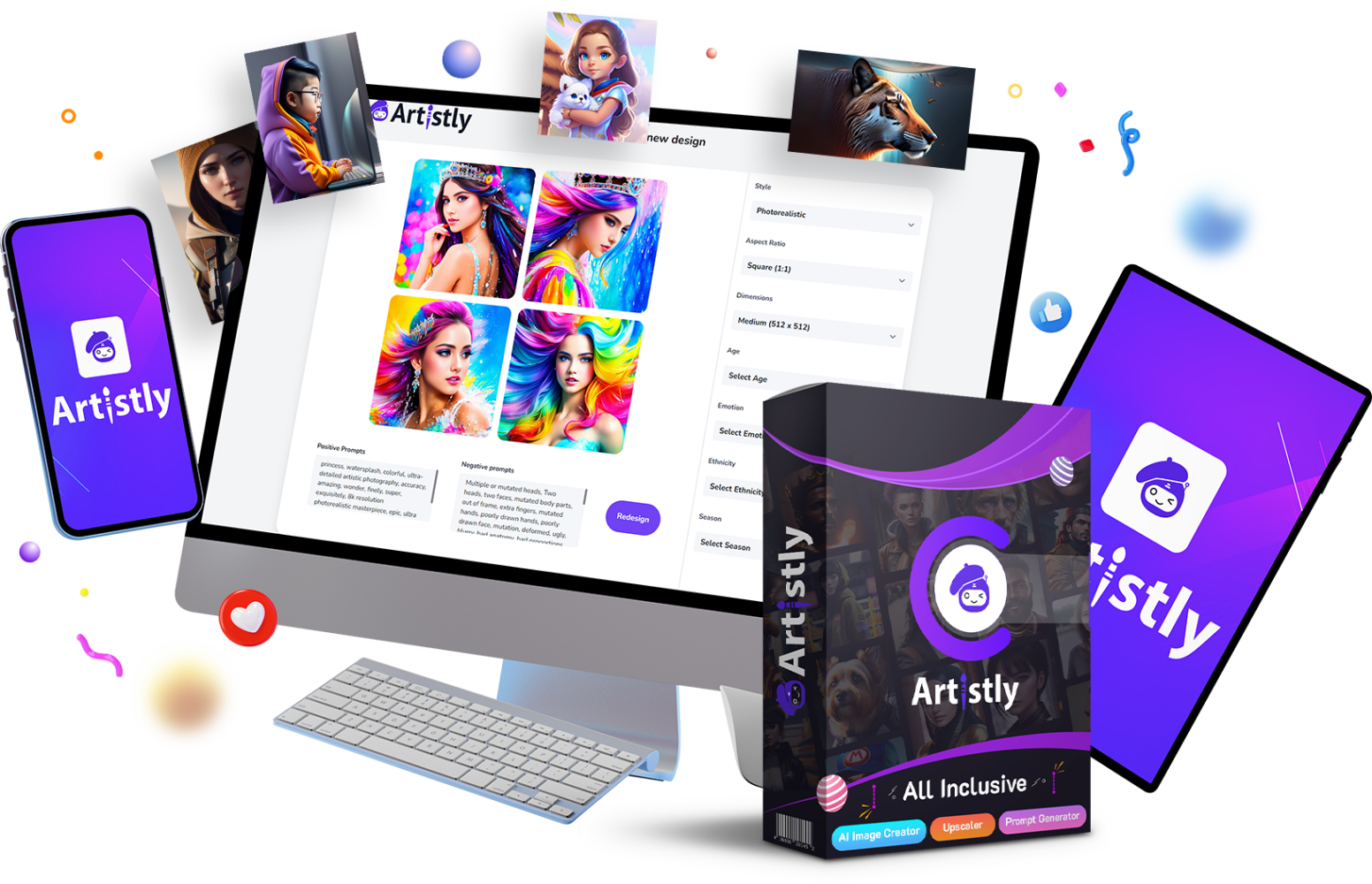
This is where the landscape shifts from curiosity to utility. Tools like Artistly are signaling the end of fragmented workflows, consolidating professional-grade production into a single interface. It is the transition from "playing with AI" to "building with AI."
2. The Death of the Monthly Tribute: Breaking the SaaS Cycle
The most significant barrier to entry in the creator economy isn't talent—it's the compounding cost of "subscription fatigue." In a market defined by recurring monthly fees, the move to a one-time entry model is a radical act of disruption. Artistly offers a $49 personal tier and a $147 Unlimited Enterprise tier.
The strategy here is clear: empower the creator to scale without the "creativity tax." For the serious strategist, the Enterprise tier is the real prize, as it includes a full commercial license. You keep 100% of the revenue from client projects. No royalties. No hidden limits.
"Break-free from limits, restrictions and monthly fees. Embrace the freedom to create and profit without limits using the unlimited and unrestricted license for a low one-time price!"
Insider Tip: As a journalist looking to maximize your ROI, don't miss the "SECRET10" coupon for 10% off. If you catch the "2026" flash sale code, you can slash an additional 15% off the total.
3. Cracking the Code: The Rise of "AI Text Mojo" and Perfect Typography
Historically, text has been AI’s "competition-crushing" flaw—the garbled, alien script that required a secondary trip to Photoshop just to make a logo legible. This bottleneck is finally being cleared. With a feature specifically branded as "AI Text Mojo," the system moves beyond simple generation into automated text editing.
This isn't just about putting words on a t-shirt. It’s about the ability to highlight existing text within an image and change it while the AI perfectly matches the original font, color, and style. For designers, this is the "Photoshop killer" insight. It removes the need for manual alignment and font matching, turning a thirty-minute correction into a three-second click.
4. The Narrative Blueprint: From Single Frames to Cinematic Continuity
Generating a single, striking character is a parlor trick. Generating a cast of five characters who maintain their facial structure, style, and wardrobe across a 30-page children’s book is a business.
The synthesis of the "Consistent Character" and "Multiple Consistent Characters" features is the real narrative breakthrough. It moves AI from the realm of static art into the world of storytelling and brand building. Authors and comic creators can now maintain absolute continuity across different scenes and poses. This continuity is the foundation of intellectual property; without it, you don't have a brand—you just have a collection of random images.
5. The Director's Blueprint: Converting Audio to Visual Storyboards
The bridge between a viral song and a viral video has always been high-budget cinematography. The "Song to Storyboard" revolution changes the math. By uploading audio from platforms like Suno or Udio, creators can automatically generate a scene-by-scene visual blueprint.
This isn’t just a random slideshow. The system provides a director’s level of detail, including:
* Scene Descriptions: Contextually relevant visuals for every lyric.
* Camera Angles: Strategic framing suggestions to maintain visual energy.
* Visual Effects: Suggestions for post-production that align with the beat.
It turns an MP3 into a production-ready roadmap in minutes, democratizing the role of the creative director.
6. The "Amazon Empire" in a Box: Professional Publishing Without the Stress
For those targeting passive income on Amazon KDP or Etsy, technical friction is the enemy. Rejection letters often stem from minor formatting errors—margins, bleeds, or insufficient resolution. The "Amazon KDP Paperback Book Creator" bypasses this by automating the output into a 300 DPI, print-ready PDF.
It handles the trims and bleeds internally, ensuring a "flawless, professional file" every time. Beyond simple novels, the ecosystem allows creators to produce:
* Bilingual & Multilingual Storybooks: Instantly translate a brand into dozens of languages to reach global markets.
* Talking Storybooks: Add lifelike AI audio narration for immersive read-aloud experiences.
* AI Cookbook Maker: Generate niche-specific interiors (e.g., Air Fryer or Keto) with nutritional info and ingredient lists.
* Activity Books: Unique wordsearches, mazes, and coloring pages designed for instant publication.
7. The Virtual Agency: Replacing the Expensive Studio Photoshoot
For e-commerce strategists, the "Virtual Agency" concept is the ultimate cost-cutter. By merging the "Virtual Model Creator," "AI Fashion Designer," and "AI Product Influencer" tools, brands can skip the physical studio entirely.
You can now place a logo on a model, and the AI automatically adjusts for fabric texture, lighting, and natural wrinkles. Want to change the model's outfit? The Fashion Designer tool reimagines the wardrobe with a simple prompt—updating tops, pants, or even adding accessories like sunglasses.
"Launch new products in minutes, no need for expensive photographers or studio equipment. Save time, cut costs, and showcase your products beautifully."
8. Conclusion: The Dawn of Total Creative Autonomy
The integration of tools like "Mirror Magic"—which effortlessly transforms any existing ad or image into your own original, copyright-compliant creation—signals a shift toward total autonomy. We are no longer beholden to stock photo libraries or expensive design cycles. Features like "AI Inpainting" allow for on-the-fly edits, changing hair color or clothing styles with a single keyword.
The technical barriers have not just been lowered; they have been dismantled. As we move into this era of consolidated creative power, the competitive edge shifts away from technical skill and back toward the strength of the original idea.
If the technical barriers to professional design have finally vanished, what is the only thing left standing between your idea and a global brand? Find out more here: